No More Stove or Fridge: How Technology Is Changing Modern Homes See What Futurists Think Homes Will Look Like in 2026
Our home is where quiet technology has silently become the unsung hero we use every single day. From smart lights that automatically adjust to our moods to doors that recognize us and let us in without written instructions, the way we live at home is changing faster than ever.
We are going to look at what technology is doing to homes today, and how it affects people’s lives — but even more so: How smart living becomes the new standard for the future in 2026 and beyond.
The Rise of Smart Homes
Today, a contemporary house cannot be defined by its design or size. Not by what it is capable of, but how smartly it behaves. What is smart home technology and how can it improve your house? Smart home technology connects appliances, lighting systems, and other devices to the Internet.
Unlike regular homes which users can monitor such devices from anywhere – remotely using their smartphone, voice assistant or through automated schedules. For most this is not just a fashion, but a lifestyle change; one that is defined by ease and speed.
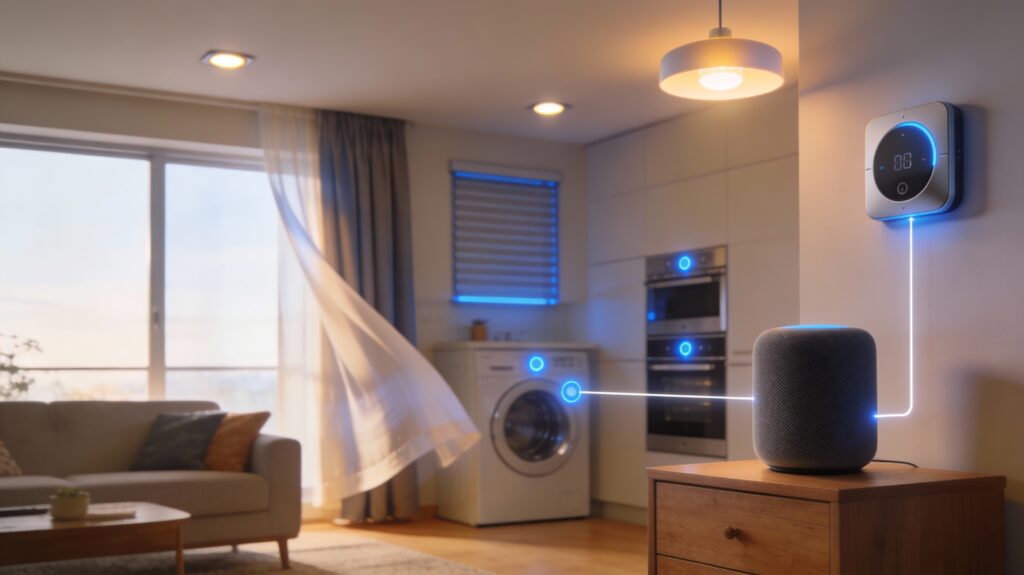
How Technology Is Changing Modern Homes in the Everyday Life
Technology is changing the way modern homes operate in practical, visible ways. Here, we take a closer look at what has changed — and why.
1. Home Automation Is Redefining Comfort
There are few bigger ways that technology is enacting change into the spaces of our homes than in our smart home systems. With such applications homeowners need not toil in managing light, temperature, appliances as well as the curtains.
Key Benefits of Home Automation:
Lights that automatically turn on and off according to time or motion
Thermostats control how hot it is according to the weather, or if someone is home
Energy use is easily controlled with smart plugs
Schedule-driven appliances that don’t need any manual intervention
This kind of automation saves you time in the most beautiful way every day, making your home care for itself.
2. Leave Light for Decoration and Efficiency behind with Smart Lighting
Lighting has come on a long way since the mundane flash of a simple on-and-off switch. Today smart lighting systems enable homeowners to:
Adjust brightness levels, change colors, schedule lighting based on routines, and control lights remotely.
Smart lighting not just adds a little something to homes but is green, reducing the amount of energy it takes to illuminate our houses.
3. Energy Efficiency and Sustainable Living
Modern home technology has a large emphasis on energy efficiency. In addition to helping homeowners monitor and manage energy consumption (which is good for the environment or your utility bill), smart devices alleviate many daily challenges.
Technologies Supporting Energy Efficiency:
Smart thermostats that adjust heating and cooling for optimal comfort
Real-time usage-tracking energy-monitoring systems
Low power consumption smart appliances
Integration of solar energy into smart grids
High-tech is now helping the home of tomorrow become more sustainable and less costly.
4. Artificial Intelligence Makes Our Homes Smarter Than Ever
The new generation of homes owes a lot to Artificial Intelligence (AI). Systems using AI learn user behavior and they begin to make smarter decisions without constant manual intervention.
Some examples of AI in Modern Homes:
Voice interfaces that can understand natural language
Smart cameras finding the abstraction in strange behavior
AI thermostats that can learn your temperature preferences
Recommendation systems for energy savings
As AI gets better, homes will be smarter and more personalized.
5. Enhanced Home Security Through Technology
There are few more powerful motivators for people when it comes to embracing smart home tech than security. how technology is changing modern homes Indeed, today’s security systems offer capabilities that older homes just can’t compete with.
Smart Security Features:
Wi-Fi enabled smart door locks
Video doorbells with live monitoring
Motion sensors and smart alarms
Real-time alerts on mobile devices
These systems provide a sense of security for homeowners both at and away from home.
6. Voice-Controlled Living Spaces
It’s a world where voice assistants, in the guise of smart speakers, have become indispensable centerpieces. It also lets them issue commands with spoken language.
With voice control, homeowners can:
Turn lights on or off, play music, set reminders, control thermostats, and manage smart appliances.
This is a convenient hands-free experience, and particularly useful to those who are elderly or disabled.
7. In Smart Kitchens, Cooking Is So 2010
Technology is also making the kitchen smarter and more efficient. There are smart kitchen gadgets that make meal prep, storage and safety even easier.
Smart Kitchen Innovations:
Refrigerators that track food expiration
Smart ovens with pre-programmed recipes
Touchless faucets
App-controlled coffee machines
These developments make cooking more efficient, minimize wastage of food, and optimize kitchen management in general.
8. Intelligent Climate Control Systems
Today, new houses are equipped with smart systems in climate control. Intelligent HVAC systems use weather, occupancy and user preference to regulate temperature via automation.
Benefits Include:
Improved indoor comfort
Reduced energy consumption
Lower heating and cooling costs
Better air quality management
With this technology, homes stay cozy all year long.
9. Interfacing by the Internet of Things (IoT)
How technology is changing modern homes Modern home tech is powered by the Internet of Things (IoT). It provides a way for devices to communicate with each other and function together as an integrated electronic system.
For example:
Motion detected sensors on lighting
Thermostats communicate with weather services
Security systems that integrate with mobile apps
IoT enables developers to build a connected environment which turns more and more of our modern homes into smarter places.
10. Technology Is Improving Home Accessibility
Technology is also helping to make homes more accessible for people with disabilities and older adults.
Accessibility Improvements:
Voice-controlled devices
Automated doors and blinds
Early warning systems for health and safety
Emergency alert systems
These advancements facilitate independent living and enhance quality of life.
11. The New Normal: Managing Your Home Remotely
Technology is transforming contemporary homes in several significant respects, and one of them enables remote management. Homeowners can now easily monitor and control their home from anywhere in the world.
Using mobile apps, users can:
Check security cameras
Lock or unlock doors
Control appliances
Adjust lighting and temperature
Not a decade ago, such control was unthinkable.
12. Data-Driven Living Spaces
Today’s homes are also digitized and filled with data, which can be harnessed for gains in efficiency and comfort. Intelligent systems learn usage and improve performance.
Examples include:
Identifying peak energy usage times
Suggesting energy-saving habits
Detecting unusual activity
Predicting maintenance needs
Data-driven homes are smarter, safer and more efficient.
13. The Future of Modern Homes
Hi-tech homes are getting smarter as technology develops further. Future developments may include:
Fully autonomous home systems
Advanced AI-driven personalization
Deeper integration with smart cities
Increased focus on sustainability
The smart homes of the future won’t just respond to requests — they’ll anticipate them.
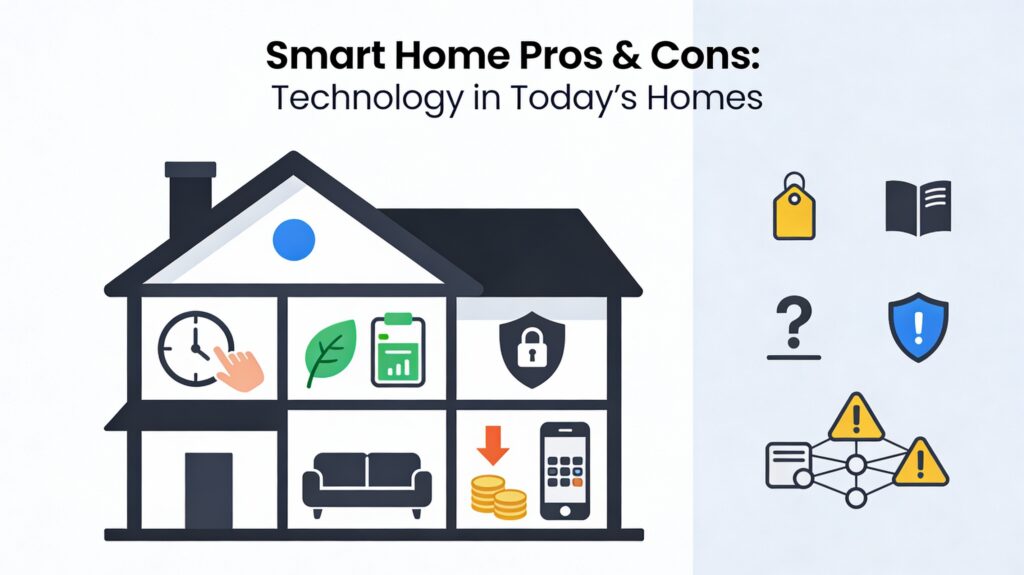
how technology is changing modern homes Advantages in Today’s Homes
In short, the following are the important advantages molded by featuring technology in contemporary residences:
Increased convenience
Improved energy efficiency
Enhanced security
Better comfort and personalization
Lower long-term costs
Eco-friendly living
Remote access and control
how technology is changing modern homes These advantages make smart homes increasingly attractive all over the globe.
how technology is changing modern homes Challenges to Consider
Technology has many benefits, but homeowners also must consider:
Initial setup costs
Learning curves for new systems
Privacy and data security concerns
Device compatibility issues
But you can mitigate many of these challenges through selecting robust systems and adopting best practices.
Final Thoughts about how technology is changing modern homes
Technology is no longer a luxury—it’s becoming essential in the modern home. And from automation and A.I. to energy efficiency and smart security, the transformation is changing how we live every day.
Learning how technology is revolutionizing homes today enables homeowners to make informed choices and get ready for a smarter, fully connected future. In the later part of 2026, apartments become even more futuristic, improving on both comfort and efficiency without worry.
In the age of modern homes, it’s not just enough to have a house –– you want a home that works intelligently for you.